
Somewhere right now, a person is paying good money to sit in a quiet room and stare at a wall. It's marketed as a dopamine detox retreat. The pitch is that modern life fried your brain with too much input, so the cure is a weekend of nothing. No phone, no talking, and sometimes no food. Reset the dopamine, they promise, and you walk out sharp and calm and new.
I admire the boldness of selling boredom, the free thing we spend our whole lives running from. We slapped a price tag on it, and sold it back to us as a breakthrough. The instinct under the trend is actually right. Your brain probably is overfed. But the version that works costs nothing, and you can do it any time you want.
This trend comes in a few flavors including weekend dopamine detox retreats, low-stimulation getaways, people flying with no screen and no book, calling it a reset. The claim underneath is always the same. Your focus is shot because you drowned it in stimulation, so drain the tank and it comes back. I understand why it resonates as many of us are drowning in too much cheap dopamine.
The Science
Cutting constant digital input does help. In a preregistered trial, researchers blocked mobile internet on 467 people's phones for two weeks, and 91% improved on at least one of three measures: attention, mental health, or well-being, and the drop in depression beat what many antidepressants deliver (Castelo et al., 2025). So the instinct behind the retreat is real. Less input can sharpen you.
However, pool the studies and the effect is real and small, not the reboot the brochure promises. A 2025 review of 20 randomized trials on cutting back social media found only a modest lift in well-being, and the results swung a lot from study to study (Liu et al., 2025). The mechanism they name is inaccurate. The psychologist who coined the term "dopamine fasting" has said the name was useful marketing tool to simplify reining in compulsive behaviors (Grinspoon, 2020). You cannot detox or reset dopamine. It is not a toxin your body accumulates over time. The honest review of dopamine fasting found the useful part is plain old habit change, while the sit-in-a-room, no food, no talking version is unsupported and can do harm (Fei et al., 2022).
The Takeaway
Removing your loudest inputs helps, quietly and reliably. It does not reset your dopamine, it will not remake you in a weekend, and it costs nothing. Name your two or three noisiest inputs, cut them for a while, and notice what comes back. You can do that for free, any time you want.
Pep Talk
You do not need a retreat center. You need to design a less noisy environment:
- Pick one problem you keep grinding on and making worse.
- Block 60 minutes tomorrow for strategic work. Put your phone in another room.
- When you hit the wall, walk away. Take twenty minutes outside with no podcast and no phone, and let yourself get a little bored. The boredom is doing the work.
- Take a look at your digital inputs including your email subscriptions, alerts, podcasts, etc. to see where you could trim your diet.
Dopamine is not something you flush. It is a signal that gets hijacked by pings. Move the pings, and it flows back to the work in front of you.
What is the one problem you have been grinding on that might just need a walk?
Be well,
Eric
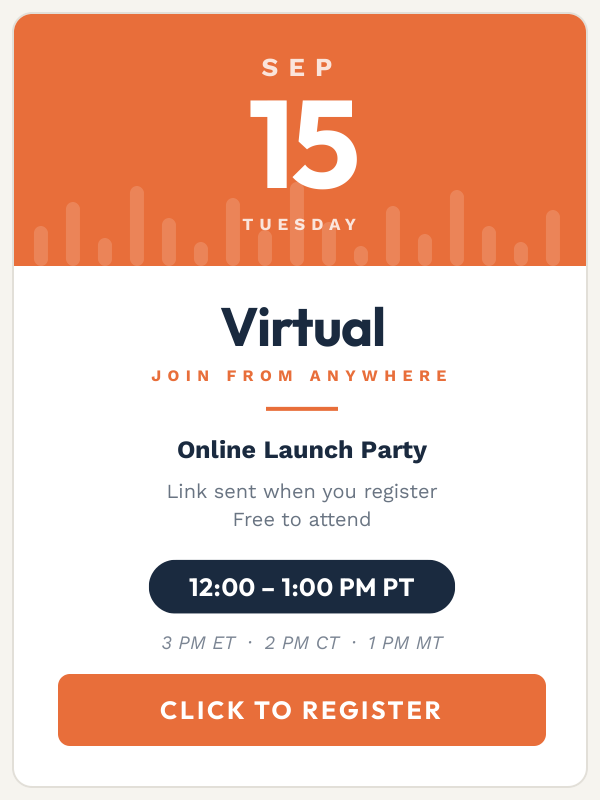
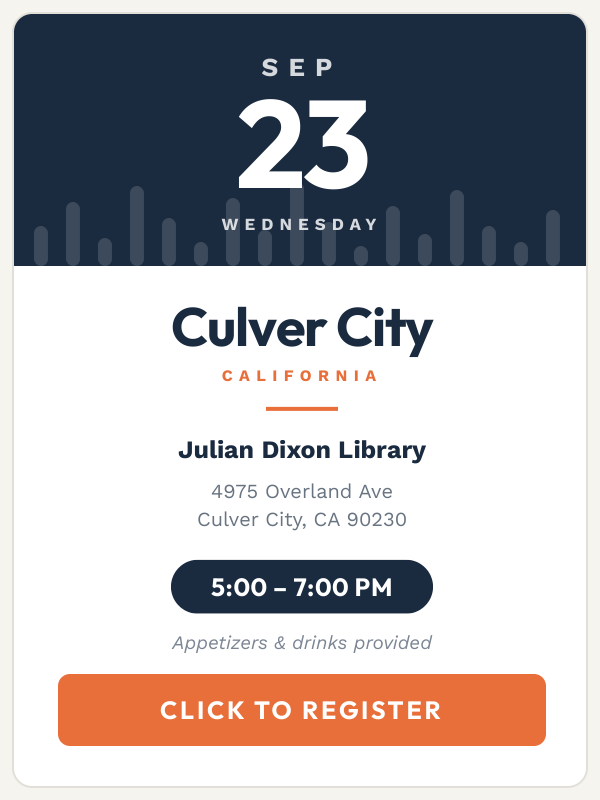
P.S. The Energy Edge book launches on September 15th in paperback, hardcover, and ebook formats (audiobook coming later). Check out the book here and join us for one or more of the launch parties. RSVP by clicking on the event below:


Responses